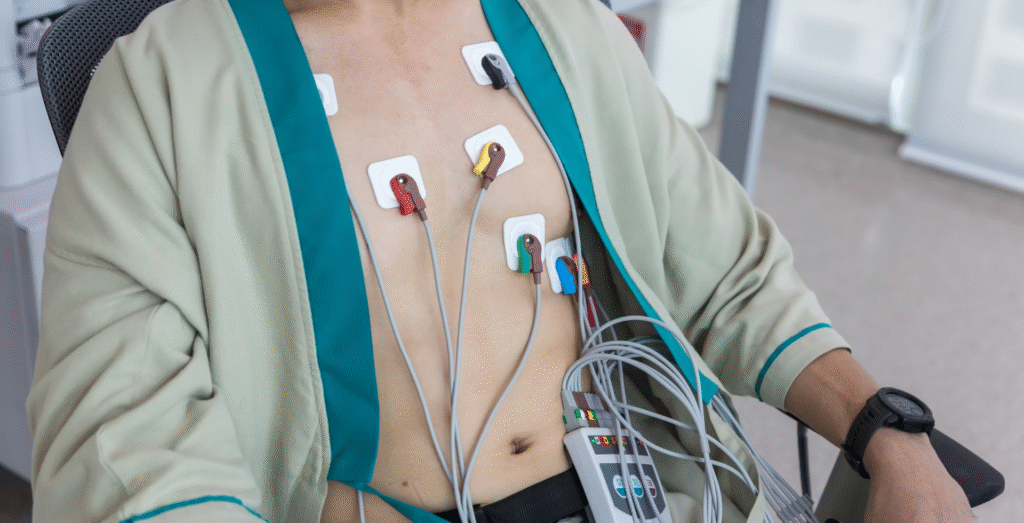
Digital health is transforming cardiovascular care, offering unprecedented opportunities for remote monitoring, continuous tracking, and personalized interventions. With the integration of wearable devices, mobile applications, and telemedicine platforms, patients can gain real-time insights into their heart health, while healthcare providers can intervene early to prevent complications and optimize outcomes.
Wearable devices, including smartwatches, fitness bands, and chest monitors, allow for continuous tracking of heart rate, rhythm, blood pressure, and physical activity. Advanced sensors detect subtle changes in heart function and provide immediate alerts for abnormal readings, such as irregular rhythms or elevated blood pressure. This constant vigilance reduces the risk of serious cardiac events by enabling timely medical attention, even before symptoms appear.
Telemedicine: Expanding Access to Care
Telemedicine platforms have revolutionized access to cardiovascular care, particularly for patients in remote or underserved regions. Through virtual consultations, digital check-ins, and educational sessions, patients can maintain continuity of care without the need for frequent hospital visits. Telemedicine not only improves convenience but also enhances treatment adherence, as healthcare providers can follow up more regularly and adjust therapies in real time.
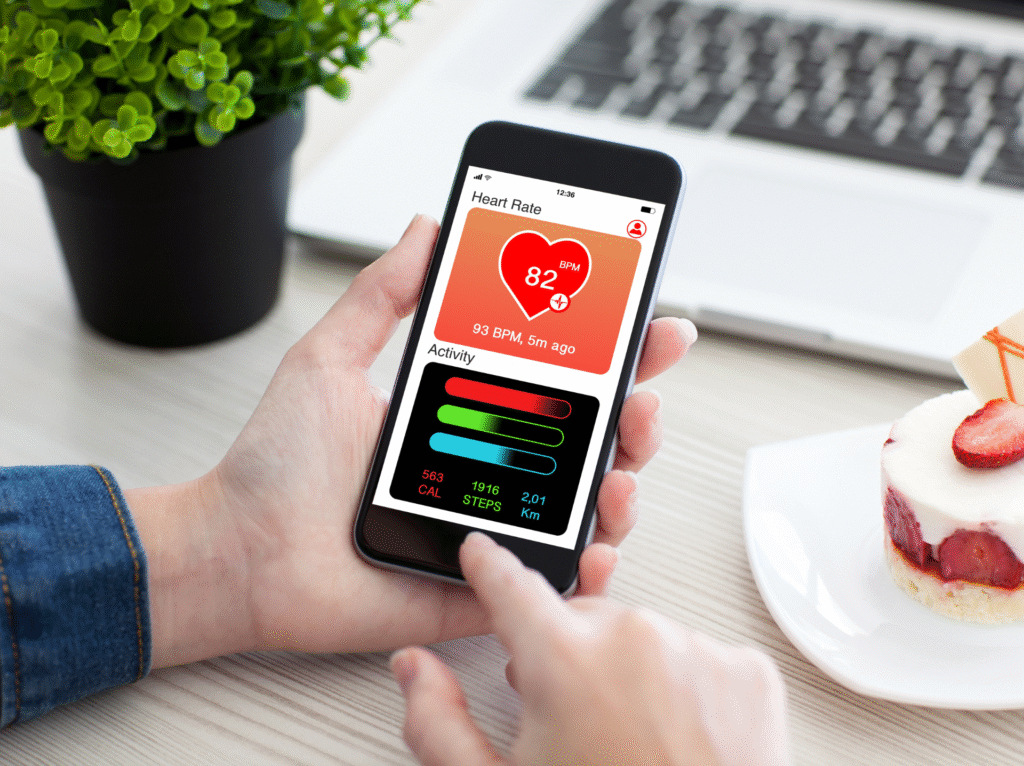

Mobile applications provide interactive tools for medication management, symptom tracking, and lifestyle optimization. Patients can log their daily activities, monitor their vitals, set health goals, and receive personalized recommendations for diet, exercise, and stress management. By visualizing progress and understanding trends in their health data, patients become more engaged in self-care and proactive heart health management.
Digital health platforms leverage big data analytics and AI algorithms to predict potential cardiovascular risks. Patterns in heart rate variability, blood pressure fluctuations, and activity levels are analyzed to identify early warning signs of heart disease. Predictive insights allow clinicians to intervene before acute events occur, shifting cardiovascular care from a reactive to a preventive and proactive model.
Digital health tools are particularly valuable for patients recovering from interventions like stenting, bypass surgery, or heart failure treatment. Remote monitoring ensures proper recovery by tracking vitals, adherence to rehabilitation exercises, and medication schedules. Early detection of complications reduces hospital readmissions and supports safe, effective recovery outside traditional clinical settings.
Technology gives the heart a voice — and now, we can listen to it every second of the day.
One of the most significant benefits of digital health is patient empowerment. Access to real-time data, interactive dashboards, and actionable recommendations encourages patients to take an active role in managing their cardiovascular health. Engaged patients are more likely to follow treatment plans, adopt healthier lifestyles, and achieve better long-term outcomes, fostering a collaborative relationship between patients and healthcare providers.
The Future of Digital Cardiology
The integration of digital health in cardiology continues to grow at a rapid pace. Future advancements are likely to include AI-driven predictive models, real-time remote interventions, and seamless integration with electronic health records. Together, these technologies promise to make cardiovascular care more precise, accessible, and patient-centered. Remote monitoring, predictive analytics, and patient engagement mark a transformative shift in how heart disease is managed globally, improving safety, quality of life, and overall well-being for millions of individuals.