

Coronary angiography is a diagnostic procedure that uses X-ray imaging and contrast dye to visualize the coronary arteries. Dr. Ashwin Kumar Panda uses this technique to detect blockages or narrowing that may compromise blood flow to the heart, allowing precise treatment planning.
During the procedure, a thin catheter is inserted through an artery, usually in the wrist or groin, and guided to the coronary arteries. Contrast dye is injected, and X-ray images capture detailed views of blood flow and obstructions in real time.
When significant blockages are detected, angioplasty can be performed immediately. A small balloon is inflated at the site of narrowing to restore blood flow, and a stent may be placed to keep the artery open permanently. This minimally invasive approach prevents heart attacks and improves cardiac function.
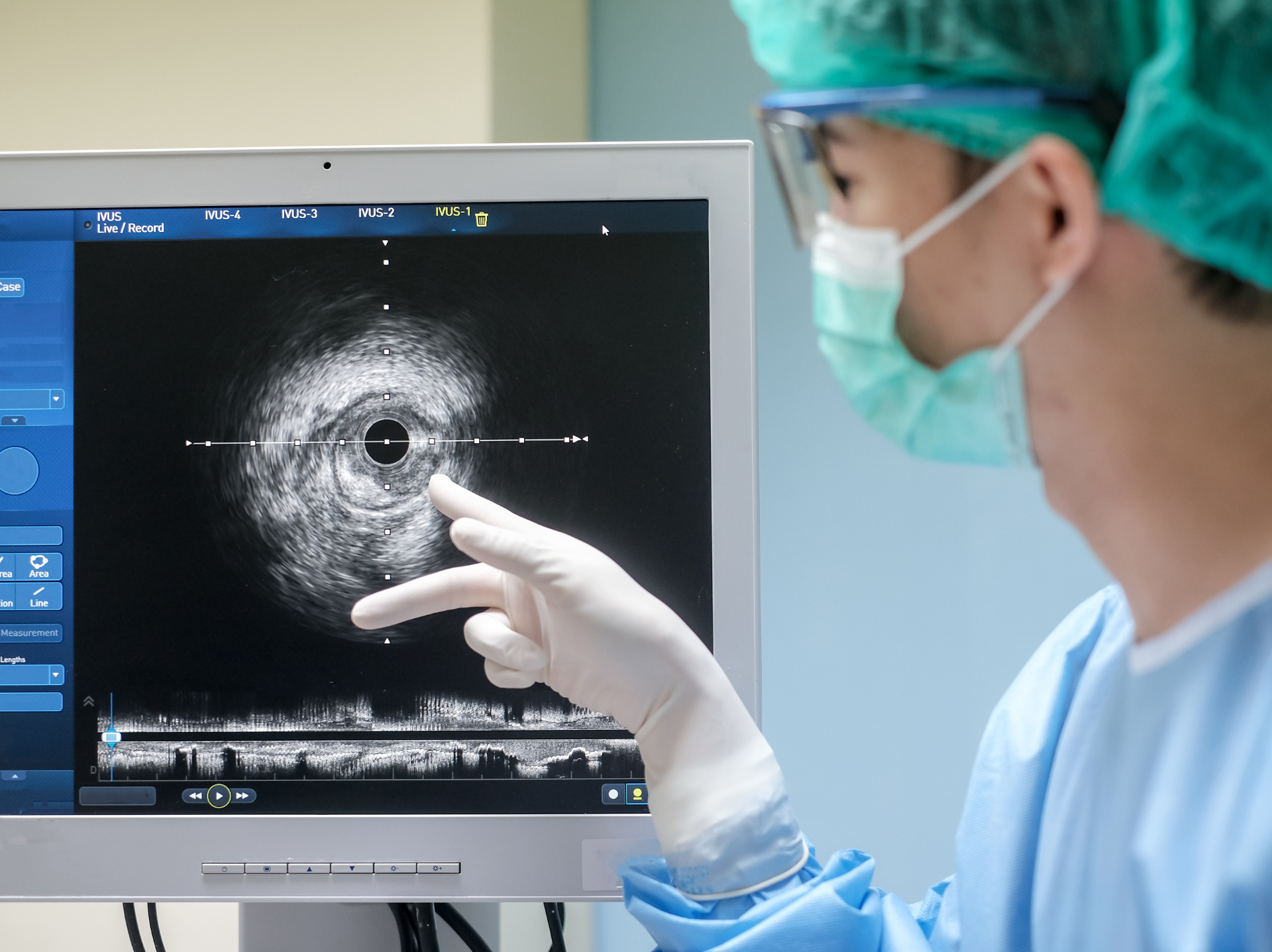
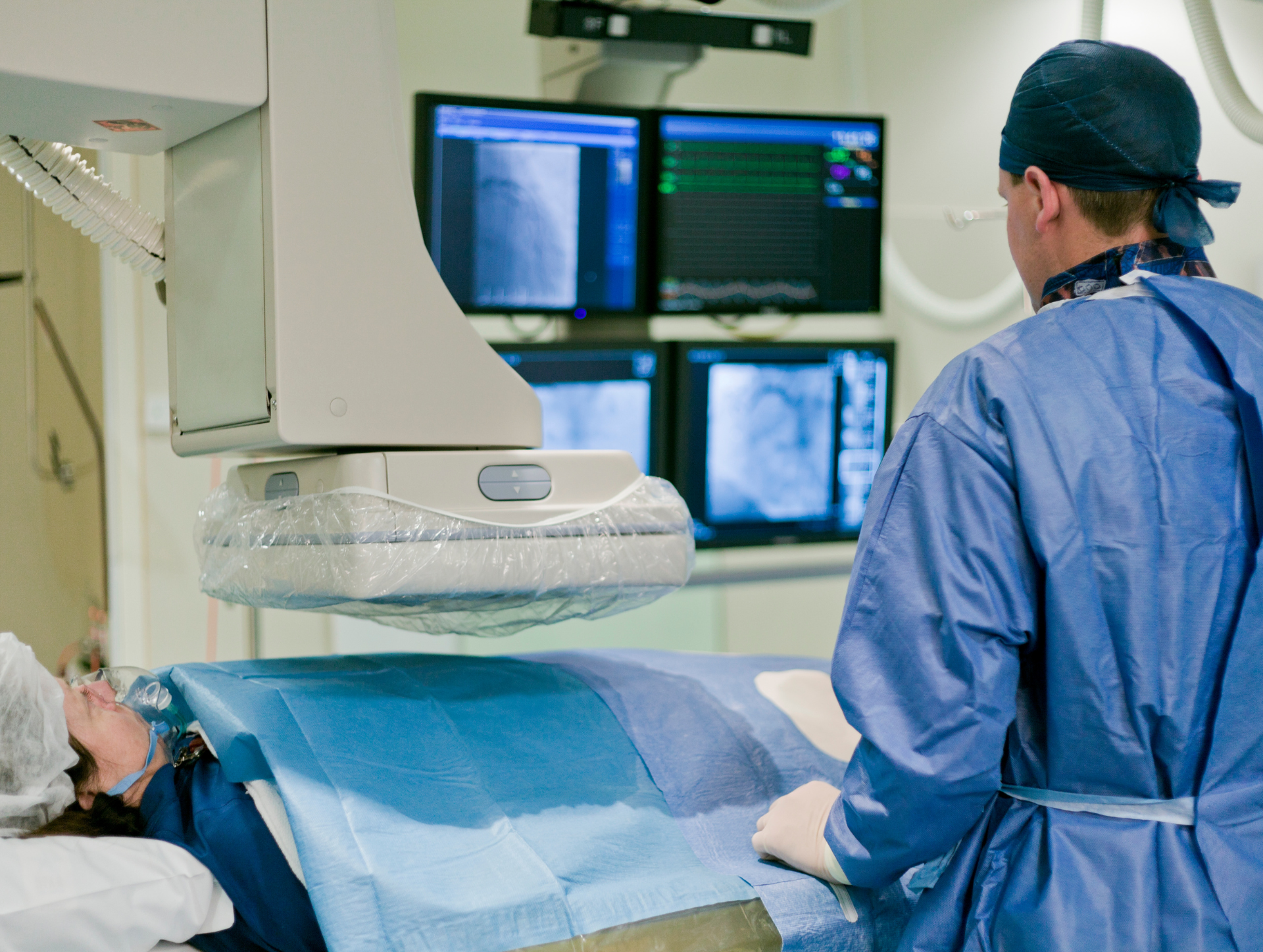
The procedure is performed under strict sterile conditions with continuous monitoring to ensure patient safety. Pain is minimal, and most patients experience only mild discomfort during catheter insertion.
Before the procedure, Dr. Panda conducts a thorough assessment, including blood tests and imaging, to ensure the patient is suitable for angiography and angioplasty. Detailed explanations are provided to help patients understand the steps, benefits, and risks.
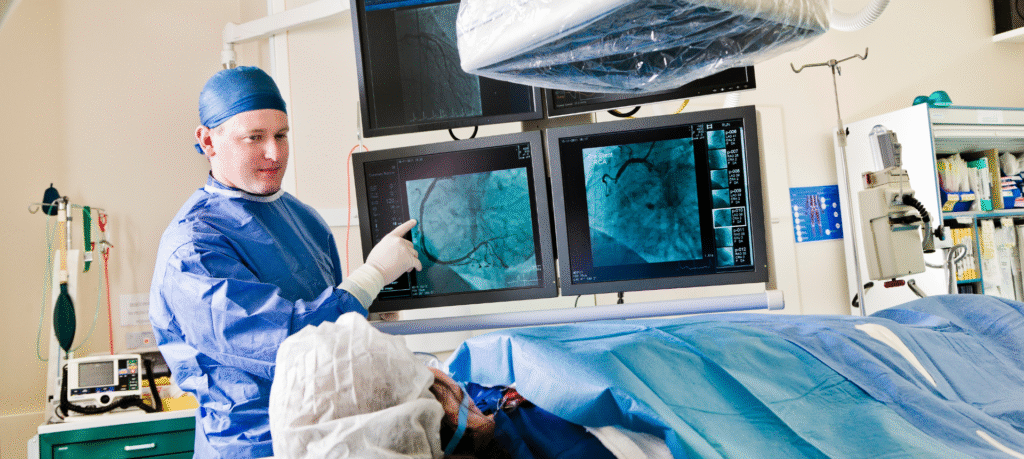
Recovery and post-procedure care are closely supervised. Patients receive guidance on medications, lifestyle changes, and follow-up appointments to ensure proper healing and optimal heart function.
Coronary angiography and angioplasty allow Dr. Panda to treat life-threatening blockages quickly and effectively. Early intervention reduces the risk of heart attacks, improves blood flow, and enhances overall cardiovascular health.
Long-term follow-up includes periodic imaging, lifestyle guidance, and medications to prevent re-narrowing of arteries, ensuring sustained heart wellness and patient confidence in their care.