

Echocardiography is a non-invasive imaging technique that allows Dr. Ashwin Kumar Panda to view the heart’s structure and function in real time. Using ultrasound waves, this test provides a detailed look at the chambers, valves, and overall pumping efficiency, helping detect structural abnormalities early and accurately.
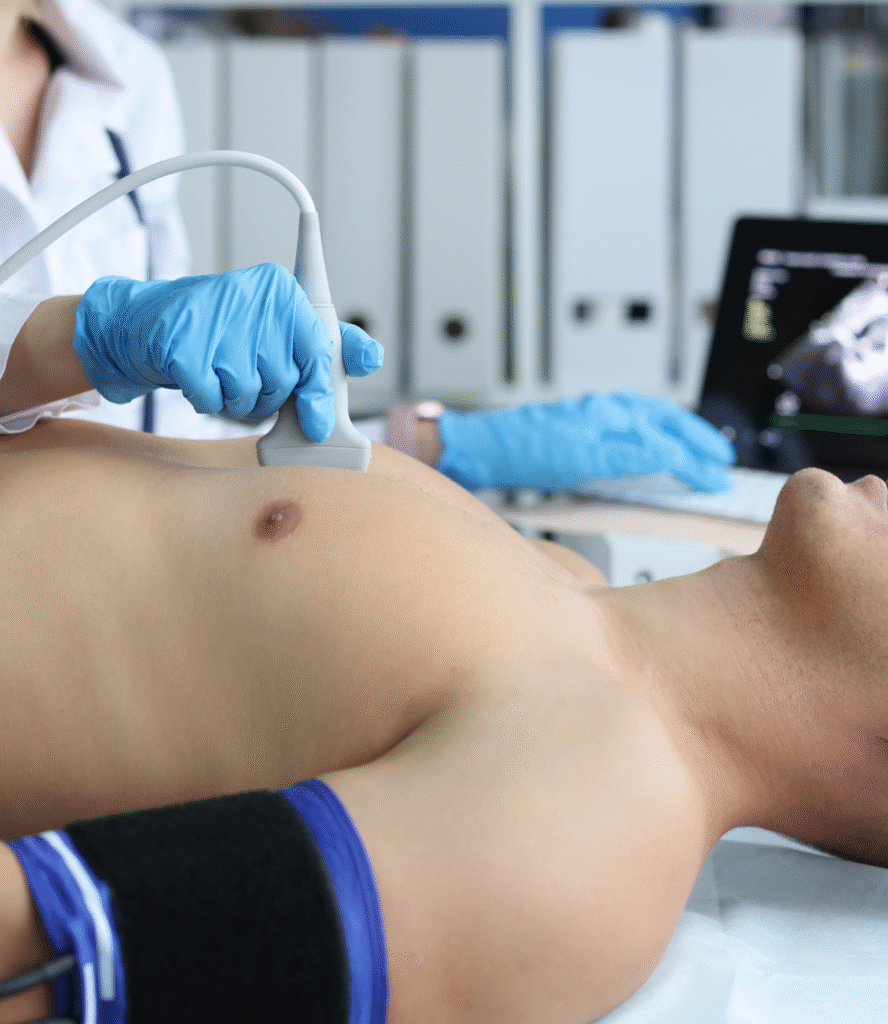
Transthoracic echocardiography (TTE) is performed by placing a small probe on the chest, producing clear images without any discomfort. This procedure is completely safe and can be repeated as needed to monitor heart health over time, making it ideal for ongoing care and follow-ups.
Transesophageal echocardiography (TEE) involves a small probe inserted into the esophagus to obtain higher-resolution images. This is particularly helpful for patients whose chest anatomy or lung interference makes TTE images less clear. TEE is used to detect blood clots, valve infections, or congenital abnormalities.
Doppler echocardiography is an integral part of the procedure, measuring the speed and direction of blood flow within the heart. This helps identify conditions such as valve stenosis, regurgitation, or abnormal shunts, guiding accurate treatment planning.

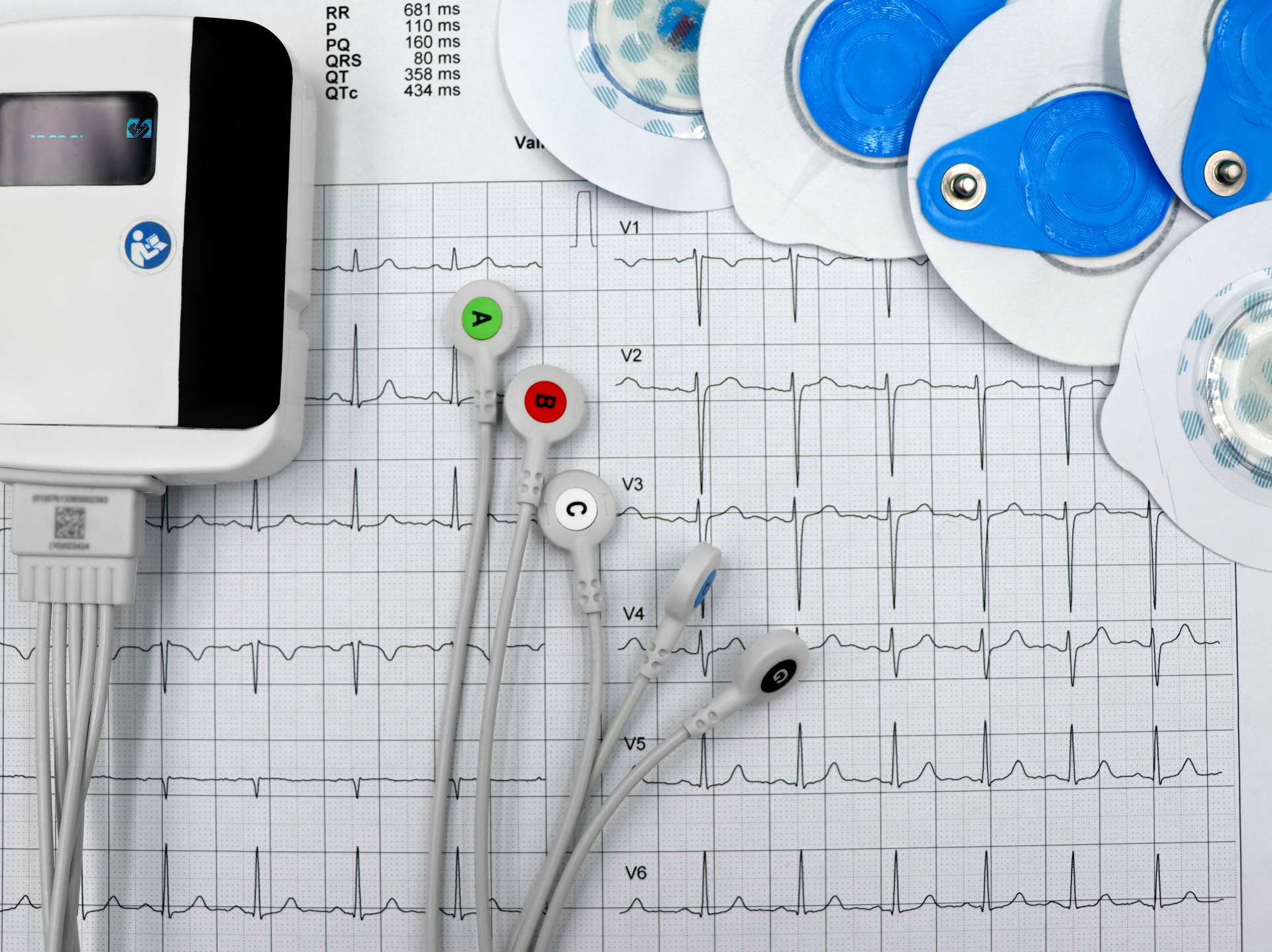
Stress echocardiography evaluates how the heart performs under physical exertion or with medication that simulates stress. It is essential for detecting exercise-induced ischemia or hidden coronary artery disease, providing valuable insights for early intervention.
Patient comfort and safety are top priorities during echocardiography. Both TTE and TEE are minimally invasive or non-invasive procedures, involve no radiation, and are performed under careful supervision to ensure a safe experience for every patient.
The images obtained during echocardiography are carefully analyzed by Dr. Panda to detect structural or functional abnormalities. This information forms the basis for personalized treatment plans, allowing patients to understand their heart health clearly and take proactive steps.
Follow-up echocardiograms can be scheduled to track improvements or monitor conditions over time. Combined with lifestyle guidance, medications, or interventions, echocardiography results support long-term cardiovascular wellness and patient confidence in their care.